TV Com highlights ExoHub and professional exoskeletons
In its program Eco le Mag, TV Com met with ExoHub to discover a technology that is still little known to the general public but is generating growing interest in the professional world: exoskeletons.
The objective of this report was simple: to understand how these devices can help workers reduce fatigue, prevent certain injuries, and improve their daily comfort.
A question often arises when we present our solutions: are exoskeletons truly effective, or are they simply a technological gadget?
What is a professional exoskeleton?
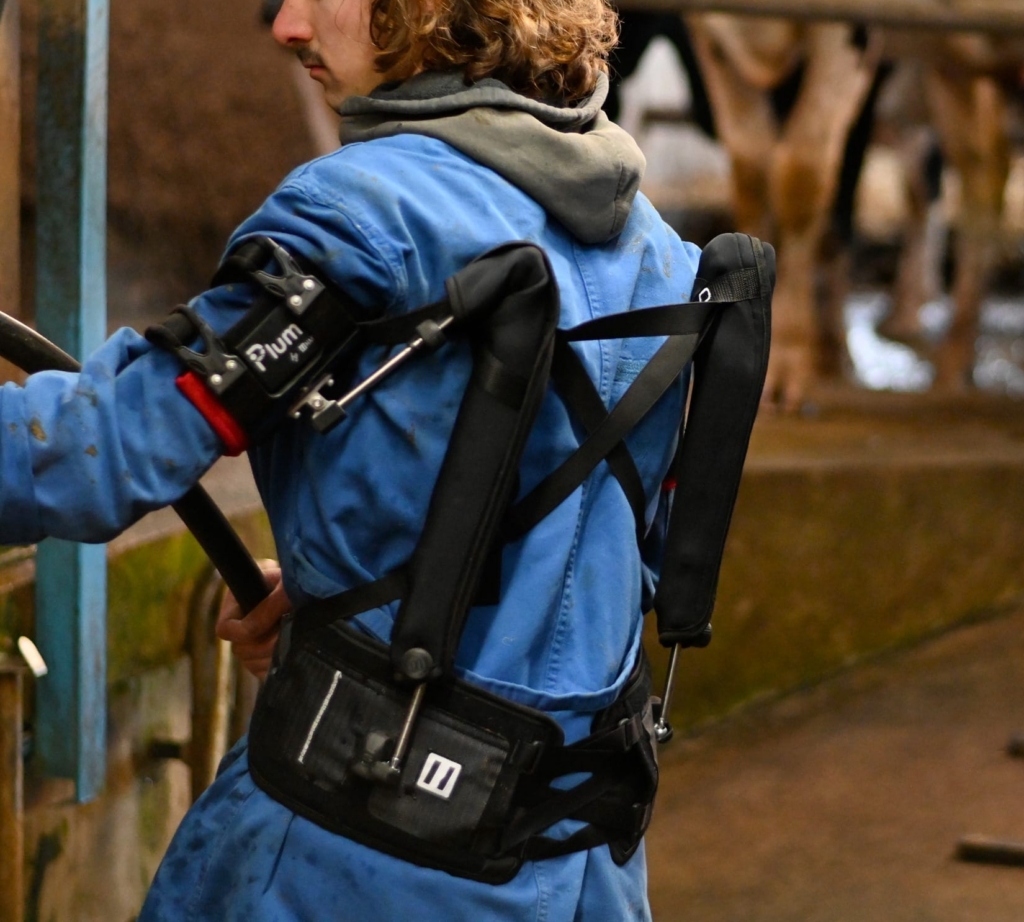
Contrary to the image of a futuristic robot often associated with the term “exoskeleton,” the devices used in companies today are generally lightweight, ergonomic, and designed to support the body’s natural movements.
An exoskeleton is a piece of equipment that helps reduce the physical strain placed on certain joints or muscle groups.
Depending on the needs, it can support:
- the back;
- the shoulders;
- the arms;
- the knees;
- the legs.
Its goal is not to replace human effort but to distribute it more intelligently.
Why are companies interested in them?
Companies are facing several challenges:
- increase in musculoskeletal disorders (MSDs);
- recruitment difficulties;
- an aging workforce;
- rise in long-term absences;
- the need to retain internal expertise.
In this context, exoskeletons appear as a complementary tool to improve working conditions in certain particularly demanding roles.
They are part of a preventive approach aimed at protecting the long-term health of employees.
Reducing daily fatigue
One of the primary benefits observed by users is the reduction of physical fatigue.
Certain tasks require keeping arms raised for several hours, standing for long periods, or handling loads repeatedly.
These constraints eventually place excessive strain on certain joints and cause chronic pain.
By reducing part of this strain, the exoskeleton often allows operators to finish their day with greater comfort.
Applications in many sectors
Exoskeletons are now used in a wide variety of professional environments.
- Industry: Maintenance, assembly, production, and material handling.
- Logistics: Order picking, loading, and unloading of goods.
- Construction: Overhead work, carrying loads, and prolonged use of tools.
- Pharmaceuticals: Repetitive tasks or roles requiring prolonged standing.
- Agriculture: Physical work involving repetitive movements or strenuous postures.
- Healthcare: Certain applications also exist in medical and paramedical environments.
A solution adapted to every situation
Not all exoskeletons are the same.
Each technology addresses a specific need.
Some models are designed to support the back when carrying loads.
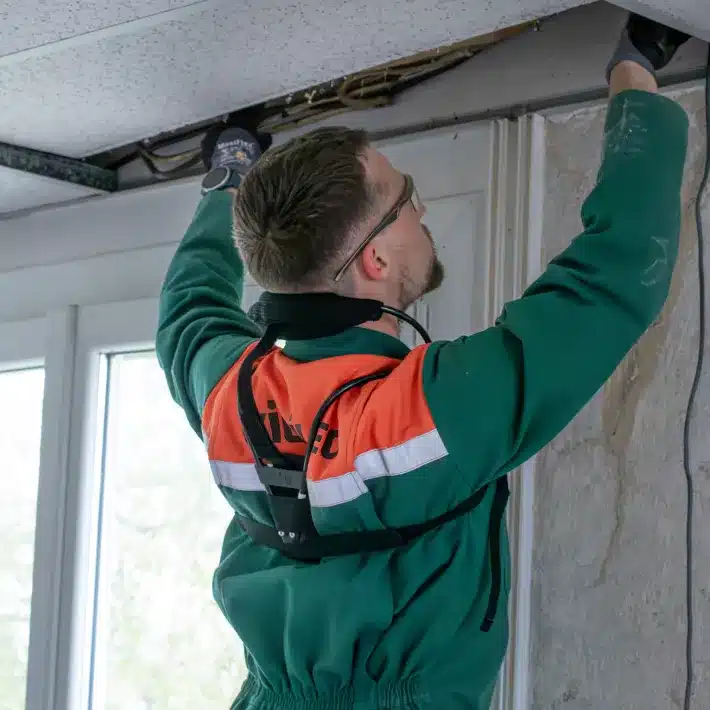
Others assist the shoulders during overhead work.
Some active exoskeletons even use motorized assistance to provide additional support.
This is why it is essential to precisely evaluate the constraints of the role before choosing a solution.
Indispensable support
One of the most frequent mistakes is considering the exoskeleton as a miracle solution.
In reality, its effectiveness depends largely on the quality of its integration.
At ExoHub, we prioritize an approach based on:
- workstation observation;
- field trials;
- ergonomic analysis;
- user involvement;
- post-deployment follow-up.
This process allows for the selection of the most relevant device and ensures genuine team buy-in.
Are exoskeletons cost-effective?
Beyond the human benefits, companies naturally wonder about the return on investment.
The costs associated with musculoskeletal disorders are considerable:
- absenteeism;
- staff replacement;
- drop in productivity;
- job retention difficulties;
- risks of relapse.
When an exoskeleton helps avoid a prolonged absence or sustainably improves working conditions, its economic impact can quickly become significant.
A technology set to grow
The TV Com report confirms a trend observed throughout Europe: professional exoskeletons are gradually earning their place in corporate prevention strategies.
Long considered a niche technology, they are now becoming concrete tools for occupational health.
At ExoHub, we are convinced that their development is only just beginning.
Would you like to know if an exoskeleton could be useful in your business?
Our specialists support you in analyzing your workstations and identifying the solutions best suited to your needs.